
 Pack
The World of Vaping - Vape,Tutorials & Tips
Is propylene glycol in e-liquid dangerous?

July
The rise of e-cigarettes has raised many questions, particularly about the ingredients used in e-liquids. Among these, propylene glycol (PG)—one of the key components often combined with vegetable glycerin (VG)—has raised concerns among some consumers about potential health risks. So, does propylene glycol in e-liquids pose a danger? That’s what you’re about to find out!
What is Propylene Glycol?
Propylene glycol, commonly referred to as“PG,”is a colorless, odorless synthetic chemical widely used in many industrial and even food products due to its hygroscopic properties ( ability to absorb water) and low toxicity. It is found primarily in pharmaceuticals, cosmetics, food products, and e-liquids for electronic cigarettes.
Why is propylene glycol used in e-liquids?

In e-liquid, propylene glycol serves several purposes:
Vapor Production: When heated, propylene glycol helps generate vapor. It also provides a “throat hit” similar to that of a traditional cigarette. The higher the propylene glycol content in an e-liquid, the more it will appeal to former smokers.
Best Flavors: Propylene glycol is an excellent solvent for flavorings. It is what allows the flavors to be “carried.”
Fluidity: Unlike vegetable glycerin, which is more viscous, PG is more fluid, making it easier for the e-cigarette wick to absorb the liquid.
Concerns About Propylene Glycol
While we now know that propylene glycol is safe in food and cosmetic products, some people have raised questions about its toxicity when inhaled. Long-term studies are currently limited.
Studies on propylene glycol inhalation have been conducted primarily on animals and in controlled environments. A 2014 study examined the cytotoxic effects of PG on human airway cells. The results showed low to moderate toxicity, but the authors noted that the concentrations used in e-liquids were generally well tolerated.
Allergies and Sensitivities
It should be noted that some people may be allergic to or sensitive to propylene glycol. These allergies can manifest as skin rashes, itching, and/or irritation.
In such cases, it is recommended to use e-liquids with a much higher ratio of vegetable glycerin to propylene glycol.
Other studies, such as the one conducted by the Royal College of Physicians in 2016, have concluded that the risks of vaping are likely lower than those of smoking, while calling for further research to understand the long-term implications of inhaling propylene glycol and other substances found in e-liquids.
Leading health organizations, such as the World Health Organization (WHO) and the Centers for Disease Control and Prevention (CDC), acknowledge that vaping may be less harmful than traditional smoking, but they also emphasize that vaping is not without risks, especially for those who have never smoked. In fact, starting to vape without a history of smoking can lead to nicotine addiction and expose users to potentially harmful chemicals.
Warning: Do not vape if you are a minor or have never smoked. Vaping can lead to nicotine addiction.
Read also

Is Vape the No. 1 choice of French people for quitting smoking?
Electronic cigarettes, commonly known as "vape", have long been the subject of much debate. In [read more]
Nov
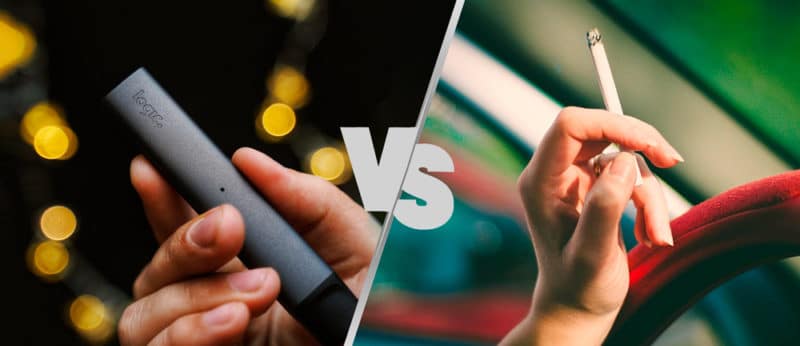
Smoking without breaking the bank: the choice between traditional cigarettes and disposable puffs
Rechargeable e-cigarettes have become a popular alternative for smokers looking to [read more]
May

Discover the Wpuff 1800 Pod: The rechargeable vape with interchangeable cartridges
The vaping market is constantly evolving, and the Wpuff Puff Pod is one of [read more]
Jul
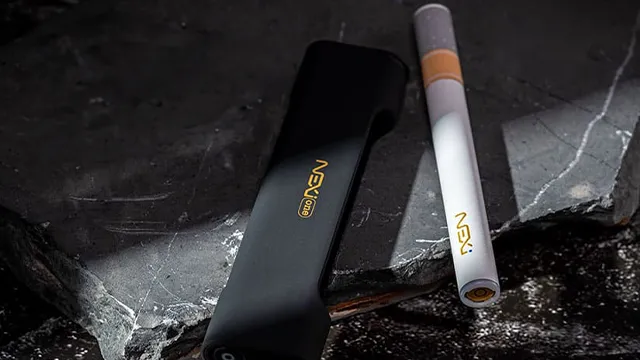
Aspire's Nexi One: The Complete Review and Our Opinion
New to the vaping world this year, the Nexi One, sold by [read more]
July 15
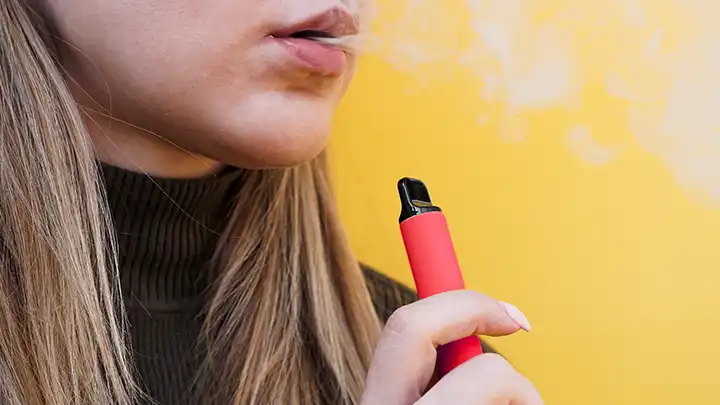
Choosing my Puff: Tips and Tricks
In a world where convenience and a fast-paced lifestyle reign supreme, e-cigarettes are [read more]
Dec
Best-Selling E-Liquids
E-liquid
 Rolling Paper
 Tubes
 Filters
 Smoking accessories
 Precision scales
 Poppers
 CBD
 Grinders
 Pipes
 Bong and hookah
 Lighters
 Puff
 Pod Kits
 E-liquid
 Hookah electronics
 Our chichas
 Shisha Taste
 Coal heater
 Heating systems
 Bowls
 Tuyaux / Manches
 Charcoals
 Hookah Accessories